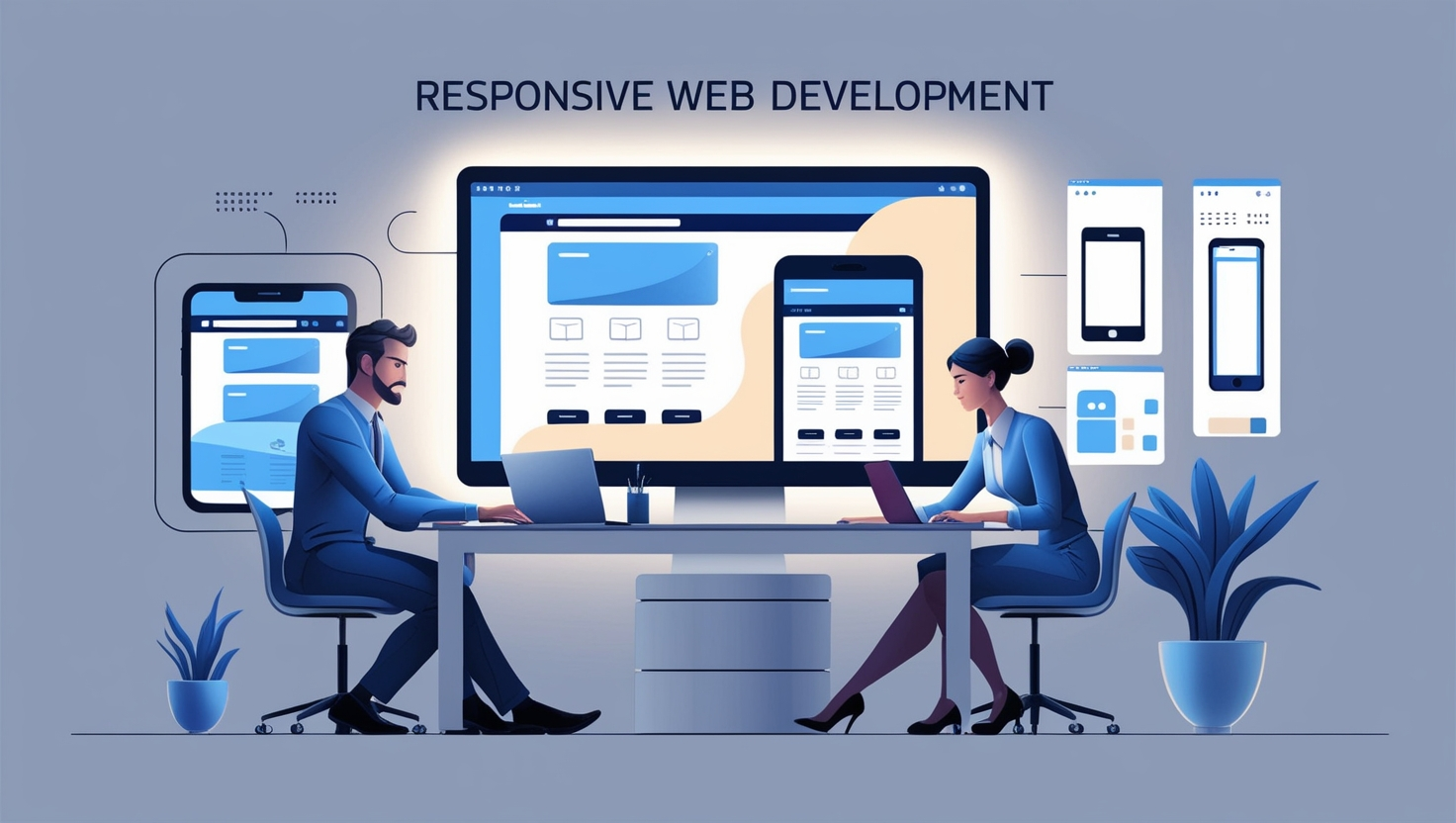
In today’s digital landscape, the diversity of devices—ranging from desktops and laptops to tablets and smartphones—demands a flexible approach to web design. Responsive web development is the solution, allowing websites to adapt to any screen size and provide an optimal user experience.
A responsive design enhances user experience by ensuring that your website looks and functions well on any device. This includes easy navigation, readable text, and appropriately sized images, which keep visitors engaged and reduce bounce rates.
Search engines like Google prioritize responsive websites in their rankings. A single, responsive site means you don’t have to create separate mobile and desktop versions, simplifying SEO efforts and improving your visibility in search results.
Maintaining a single responsive website is more cost-effective than managing separate sites for mobile and desktop. It saves time and resources on updates, SEO, and maintenance.
With the rise of mobile browsing, having a responsive website allows you to reach a wider audience. Whether your users are on a phone, tablet, or desktop, your site will be accessible and functional.
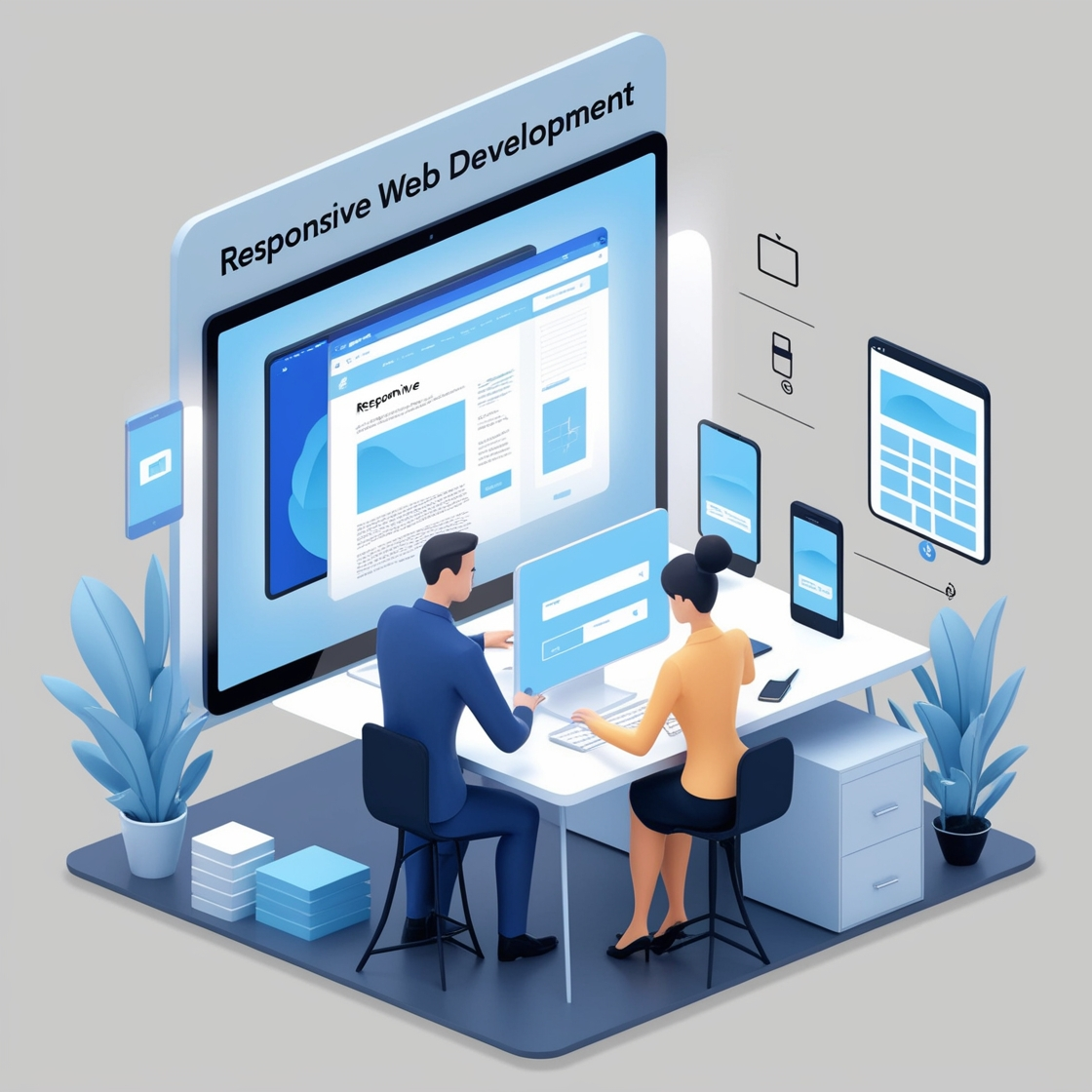
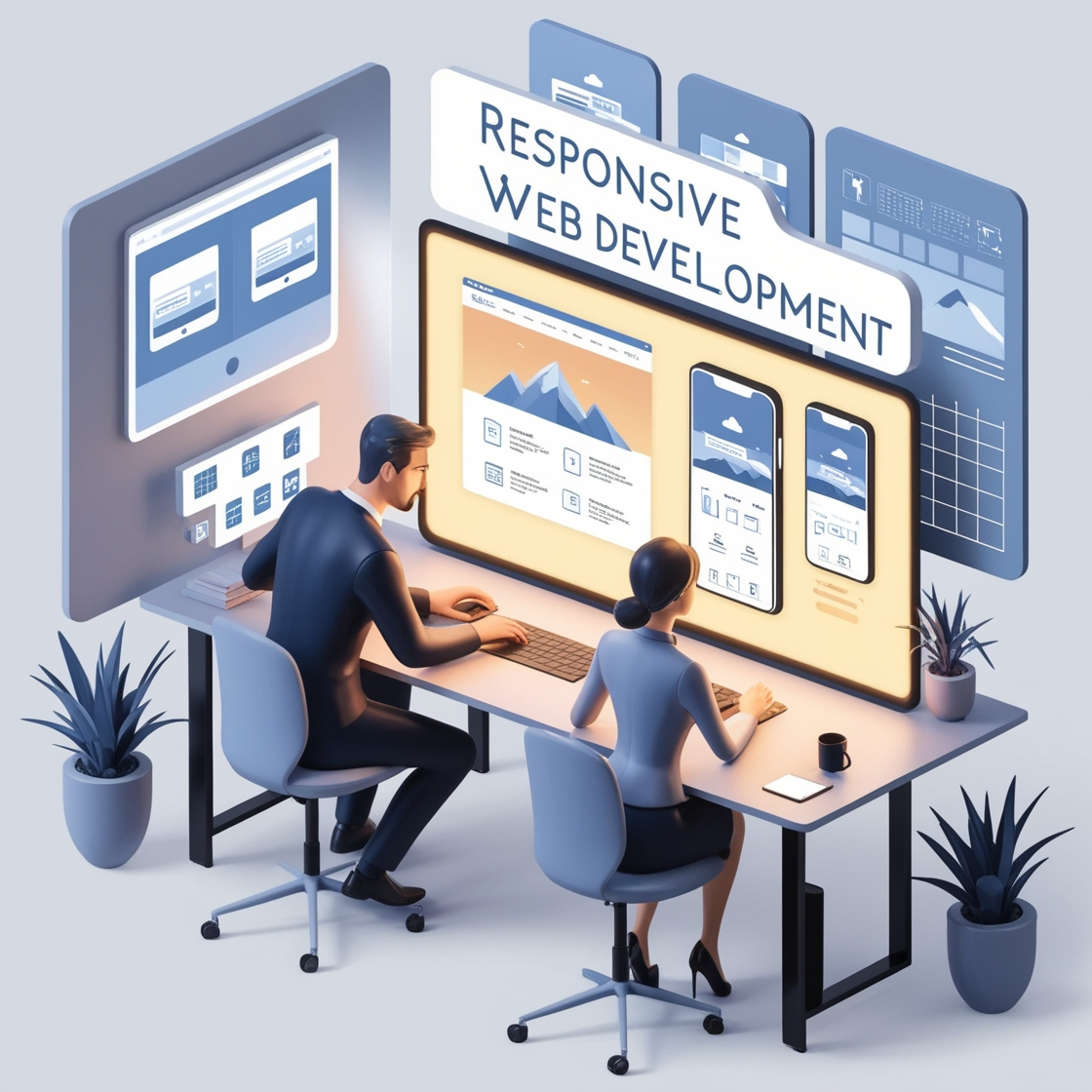
Fluid grids use percentage-based sizing instead of fixed dimensions, allowing content to scale proportionally to the screen size.
Images are set to adapt to their containers, ensuring they don’t overflow or become pixelated on different devices.
CSS media queries enable the application of different styles based on device characteristics, such as screen width and resolution, allowing for tailored layouts.
Responsive sites are designed with touch interfaces in mind, ensuring buttons and links are easy to tap, enhancing usability on mobile devices.
Understand the target audience and their device usage patterns to create a design that meets user expectations.
Create wireframes for various screen sizes to visualize layout adjustments and ensure a consistent experience.
Build the website using responsive frameworks (like Bootstrap or Foundation) to facilitate the responsive design.
Conduct thorough testing across different devices and browsers to identify any issues with layout or functionality.
After successful testing, launch the site and continuously monitor its performance, making adjustments as necessary.
Consider a mobile-first approach, designing for smaller screens first and then scaling up for larger devices.
Compress images and use efficient coding practices to ensure quick load times across all devices.
Keep the website content and design updated to maintain relevance and improve user engagement.
Responsive web development is not just a trend; it’s a fundamental aspect of modern web design. By investing in a responsive site, you ensure that your business stays competitive, improves user satisfaction, and enhances search engine visibility.
At Vektosys, we specialize in creating responsive websites tailored to your business needs. Our dedicated team is here to help you establish a strong online presence that resonates with your audience, regardless of the device they use. Contact us today to learn more about our responsive web development services!
We offer world-class design and development services at competitive prices, ensuring you get exceptional quality without overspending. Our innovative solutions engage your audience, driving conversions and enhancing user experience. With a client-centric approach and ongoing support, we’re dedicated to helping your business thrive in the digital landscape.

